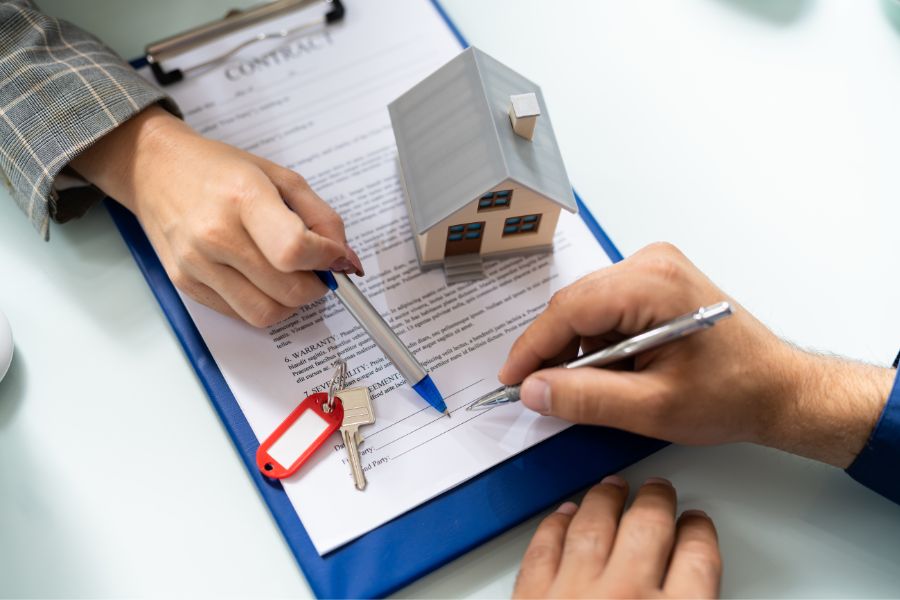
If you have booked a RICS property valuation, the process is usually quite simple. A RICS Registered Valuer agrees the brief with you, inspects the property, carries out desk research and analysis, then issues a written RICS Red Book valuation report that states an independent opinion of market value and explains how it was reached. Everything is done under strict professional standards so that lenders, courts and tax authorities can rely on it.
What is a RICS property valuation?
A RICS property valuation is an independent property valuation carried out by a surveyor who is registered and regulated by the Royal Institution of Chartered Surveyors. The valuer must follow the RICS Valation Global Standards, known as the Red Book, which set mandatory rules and best practice for how valuations are prepared, checked and reported.
For you as a client, this means the RICS valuation process is not a quick guess. It involves a site visit, structured research into comparable sales or rental evidence, selection of the right valuation method and a formal report that clearly sets out the valuer’s reasoning and assumptions.
So what actually happens step by step?
Step 1: Booking and agreeing the brief
The process starts when you contact a RICS firm or valuer and explain why you need an independent property valuation. Common reasons include buying or selling, mortgage or refinancing, inheritance, tax planning or internal company reporting.
Before anything else, the valuer will agree the terms of engagement with you. This typically covers:
- Who the client is and who can rely on the RICS valuation
- The purpose of the valuation, for example loan security or probate
- The property to be inspected and any special assumptions
- The basis of value, usually market value as defined by RICS and international standards
- The fee, timing and format of the valuation report
This sounds formal, but it protects both sides. You know exactly what you are getting. The valuer knows the context so they can tailor the RICS valuation process to your situation.
Step 2: Inspection – what the surveyor looks at
Next comes the property valuation inspection. For a typical house or flat, this is usually a short visit combined with later desk research rather than an all day survey.
During the visit, the RICS Registered Valuer will look at things like:
- Size and layout, including floor area, number of rooms and how the space works
- Condition and level of finish, including kitchens, bathrooms and visible defects
- Improvements and extensions that might add value
- External elements such as roof, walls, garden and parking
- Location factors such as street, outlook and immediate surroundings
They might also ask basic questions about services, tenure, ground rent, service charges or any recent works. This is not a building survey, so the valuer will not lift floorboards or move furniture, but they do need a clear view of the main parts of the property.
Step 3: Research and valuation methods
After the inspection, most of the work happens at the desk. This is where the independent property valuation is built.
The valuer will research comparable evidence and choose the most appropriate method or combination of methods, for example:
- Comparable method: comparing your property to recent sales or lettings of similar properties and adjusting for differences
- Income approach: used where the property is an investment, based on rental income and yields
- Cost approach: sometimes used for special properties, based on land value plus replacement cost
They will consider local market trends, demand levels, planning restrictions and any factors that could affect value in the short to medium term. RICS guidance emphasises consistency, accuracy, objectivity and transparency in these judgements, which is why a RICS Red Book valuation carries more weight than a casual opinion.
Step 4: The RICS Red Book valuation report
Once the analysis is complete, the valuer prepares the formal valuation report. RICS provides a framework that sets out the minimum content, including key details such as client, purpose, basis of value, date of valuation, approach used and final opinion of value.
A typical RICS valuation report will:
- Describe the property and the extent inspected
- State the assumptions and any limitations, for example that legal title is satisfactory
- Summarise the market context and key comparable evidence
- Explain the valuation approach and reasoning
- Confirm compliance with the RICS Red Book and that the valuer is suitably qualified
The end result is a written RICS Red Book valuation that can be used for lending, tax, legal or internal purposes, depending on the agreed brief.
Step 5: After the valuation – questions and next steps
Once you receive the report, you can review the RICS valuation and, if needed, ask follow up questions. A good valuer should be able to talk you through:
- Why certain comparables were chosen
- How specific features of your property influenced the value
- What might change the value in future, for example planned works or market shifts
If you think something important was missed, you can supply extra evidence and request a review, but remember that the valuer must stay independent and cannot adjust numbers simply to make a deal work.
How to get the most from the RICS valuation process
To get real value from the RICS valuation process rather than just a number on paper, be clear on your goals from the start. Share your plans, whether that is securing a mortgage, planning an inheritance, restructuring a portfolio or deciding whether to buy. The clearer the brief, the more focused and useful the independent property valuation will be.
Read here: How can I use a RICS Certified Property Valuation?
If you work with a firm that specialises in both RICS property valuations and wider real estate consultancy, you can also use the report as a springboard for decisions, not just a compliance box to tick.
Contact iOwn for your RICS Property Valuation by clicking here